
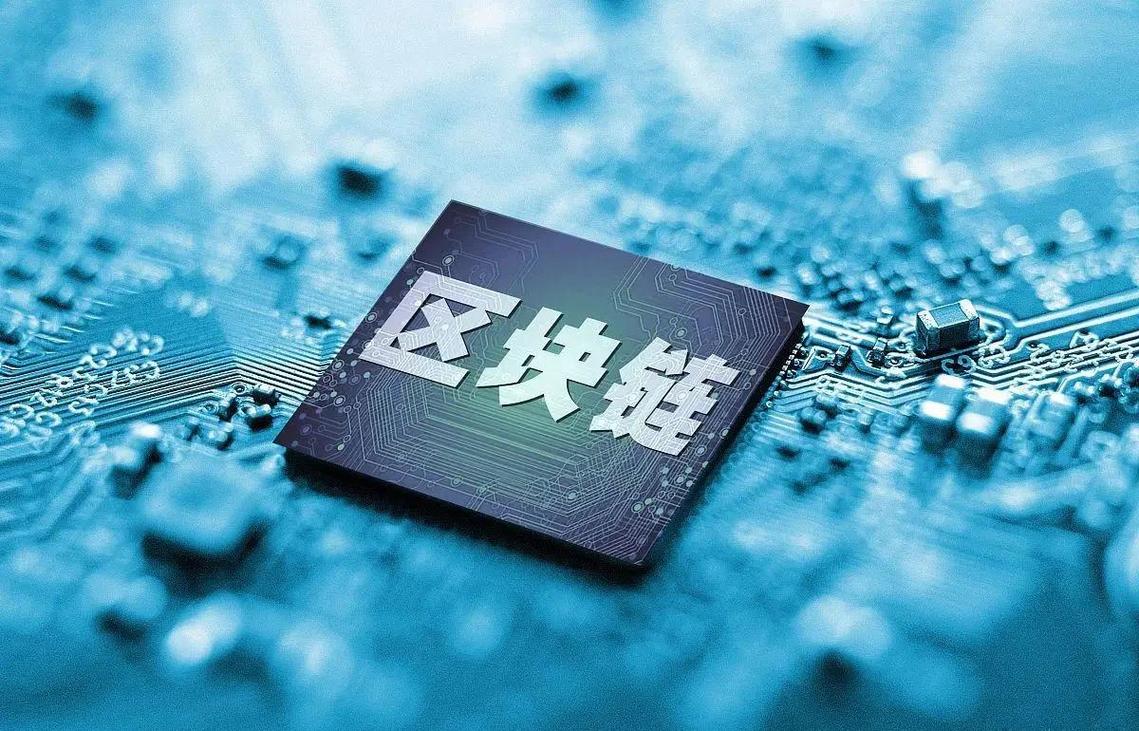
区块链英文文章,2025年区块链技术如何重塑行业?
 摘要:
Of course! Here is a comprehensive article introducing blockchain technology, written in E...
摘要:
Of course! Here is a comprehensive article introducing blockchain technology, written in E... Of course! Here is a comprehensive article introducing blockchain technology, written in English. It's structured to be clear for a general audience while providing enough depth to be genuinely informative.
Blockchain Explained: A Beginner's Guide to the Technology Behind Bitcoin
You've probably heard the term "blockchain" in relation to Bitcoin and other cryptocurrencies. But what exactly is it? Is it just digital money, or is it something more?
At its core, a blockchain is a revolutionary way of storing and sharing information. It's a digital ledger, or a record of transactions, that is duplicated and distributed across an entire network of computer systems. This structure makes it incredibly secure, transparent, and nearly impossible to alter.
Let's break down this complex concept into simple, understandable parts.

The Core Analogy: A Digital, Shared Notebook
Imagine a special notebook that is shared among thousands of people in a network.
- Every transaction is a new page: Every time someone sends or receives something (like money, a contract, or a piece of data), it's written down as a new entry on a new page.
- Everyone gets a copy: Instead of one person holding the notebook, every single person in the network has an identical, up-to-date copy.
- Pages are grouped into "Blocks": Once the notebook fills up a certain number of pages, those pages are grouped together into a "block." This block is then given a unique code, called a "hash," which acts like a fingerprint for that specific group of pages.
- Blocks are chained together: This new block is then attached to the previous block in the notebook, forming a "chain" of blocks. This is why it's called a "block-chain." You can't change a page in the middle of the notebook without changing the fingerprint of that block and every single block that came after it, which would be impossible because everyone else has a copy of the original.
This shared, unchangeable notebook is the essence of a blockchain.
How Does a Blockchain Actually Work?
The "shared notebook" analogy is a good start, but the technology behind it is what makes it so powerful. Here are the key technical components:

a) Blocks: The Building Blocks Each block in a blockchain contains three key things:
- Data: This is the core information, such as transaction details (e.g., "Alice sends 1 Bitcoin to Bob").
- Its Own Hash: A unique, cryptographic fingerprint for that specific block. If the data inside the block changes, its hash will change completely.
- The Hash of the Previous Block: This is the crucial "chain" element. By linking to the previous block's hash, it creates an unbroken, chronological record.
b) Decentralization: No Single Authority Unlike a traditional bank that holds your financial records in a central server, a blockchain has no central authority. The ledger is maintained by a peer-to-peer (P2P) network of computers (called "nodes"). Each node has a full copy of the entire blockchain. This decentralization is what makes it so resilient; there is no single point of failure or control.
c) Cryptography: The Science of Security Cryptography is the mathematical backbone of blockchain. It ensures that:

- Identities are secure: Users are represented by cryptographic keys (a public key that acts like an account number, and a private key that acts like a password). You don't need to share your real identity to participate.
- Data is tamper-proof: As mentioned, every block has a unique hash. Altering even a tiny piece of data in a past block would change its hash, breaking the link to the next block. Since every node on the network has a copy of the original, the altered block would be rejected by the majority of the network.
d) Consensus: Agreeing on the Truth If thousands of people have a copy of the notebook, how do they all agree on what the next page should say? This is solved by "consensus mechanisms." The most famous is Proof-of-Work (PoW), used by Bitcoin.
In a PoW system, specialized computers (called "miners") compete to solve a complex mathematical puzzle. The first one to solve the puzzle gets to add the next block to the chain and is rewarded with cryptocurrency. This process, known as "mining," secures the network and ensures that all participants agree on the state of the ledger without needing a trusted middleman.
Key Characteristics of a Blockchain
Understanding how it works leads to its defining features:
- Immutability: Once data is recorded in a block and added to the chain, it cannot be altered or deleted. This creates a permanent and verifiable history.
- Transparency: While user identities are pseudonymous, the data recorded on the public blockchain is visible to everyone. Anyone can view the transaction history, though they won't know who the parties involved are.
- Security: The combination of decentralization, cryptography, and consensus mechanisms makes blockchains extremely secure and resistant to fraud and cyber-attacks.
- Distributed: Because the ledger is duplicated across many nodes, the system is highly resilient. If one node fails or is attacked, the network continues to function.
Beyond Bitcoin: What Else Can Blockchain Do?
While blockchain became famous with Bitcoin, its potential applications go far beyond digital currency. Because it's a secure way to record and verify almost any kind of information, it can be used in many industries:
- Supply Chain Management: Track the journey of a product from its origin to the store shelf, ensuring authenticity and ethical sourcing (e.g., verifying that coffee beans are fair trade).
- Healthcare: Securely store and share patient medical records, giving patients control over their own data.
- Voting Systems: Create secure, transparent, and tamper-proof digital voting platforms.
- Smart Contracts: Self-executing contracts with the terms of the agreement directly written into code. For example, a smart contract could automatically release payment to a supplier once a shipment's delivery is confirmed on the blockchain.
- Digital Identity: Give individuals control over their digital identities, allowing them to prove their credentials (like age or qualifications) without revealing unnecessary personal information.
Conclusion
Blockchain is much more than just the technology behind Bitcoin. It is a foundational innovation that promises to revolutionize how we trust and transact in the digital world. By creating a secure, transparent, and decentralized system for recording information, it has the potential to disrupt industries from finance and logistics to healthcare and entertainment.
As the technology continues to evolve, understanding blockchain will become as important as understanding the internet was in its early days. It's a new paradigm for building trust in a digital, decentralized future.
作者:咔咔本文地址:https://www.jits.cn/content/8302.html发布于 2025-11-12
文章转载或复制请以超链接形式并注明出处杰思科技・AI 股讯



还没有评论,来说两句吧...